Buying vs. Building: A Cost and Timeline Comparison for Your First Satellite
A realistic cost and schedule comparison between buying a complete CubeSat and building your own bus in-house for a first mission.
Every team planning a first satellite mission eventually asks the same question: buy a complete spacecraft, or build one in-house. The honest answer depends on what you are actually trying to prove and how much of your budget you are willing to spend learning things a vendor already knows. Here is how to actually run the comparison instead of guessing.
What building in-house really costs
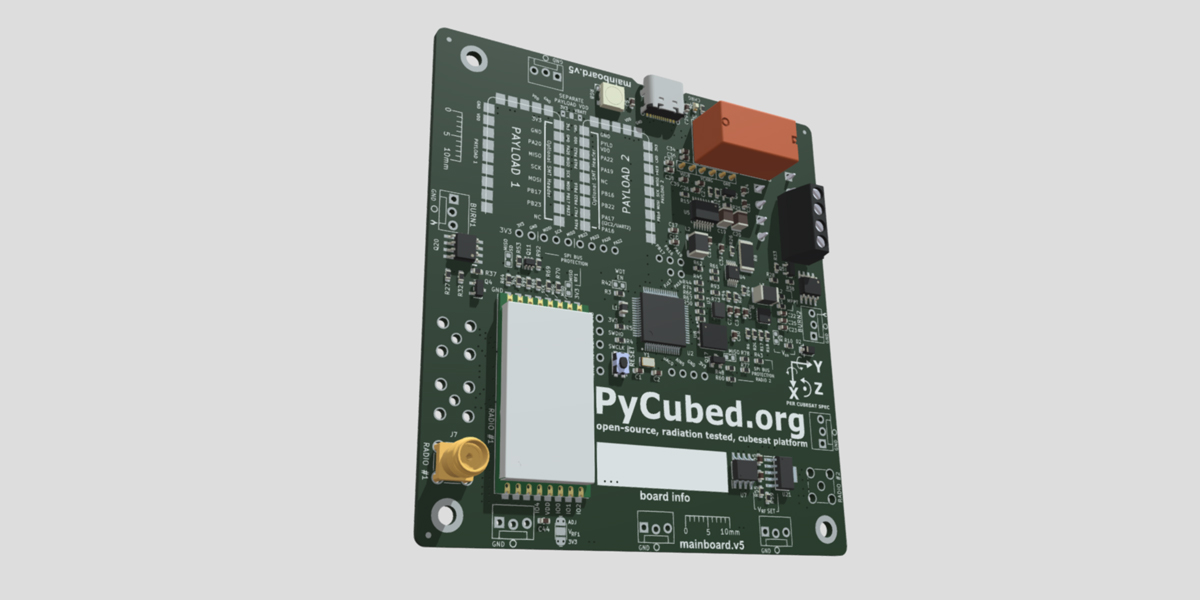
Building your own CubeSat bus from scratch, even at 1U to 3U scale, means standing up or buying: structural design and fabrication, an electrical power system, a flight computer and its software stack, attitude determination and control hardware and algorithms, and a communications subsystem with its own licensing path. Teams that have not done this before consistently underestimate two things: the cost of qualification testing, since vibration and thermal vacuum test campaigns are not optional if you want a launch provider to accept your spacecraft, and test facility time plus any failures and rework add real cost, and the cost of integration debugging, meaning the weeks spent finding out why subsystems that worked individually on a bench do not work together as an integrated spacecraft.
A realistic in-house first build, for a team with strong hardware and firmware engineers but no prior flight program, runs 12 to 24 months from project start to a flight-ready spacecraft, and total cost, counting engineering time, parts, test facility access, and inevitable rework, frequently lands in a similar or higher range than simply buying a complete bus, once engineering salaries are counted honestly rather than treated as free sunk cost.
What buying complete really costs
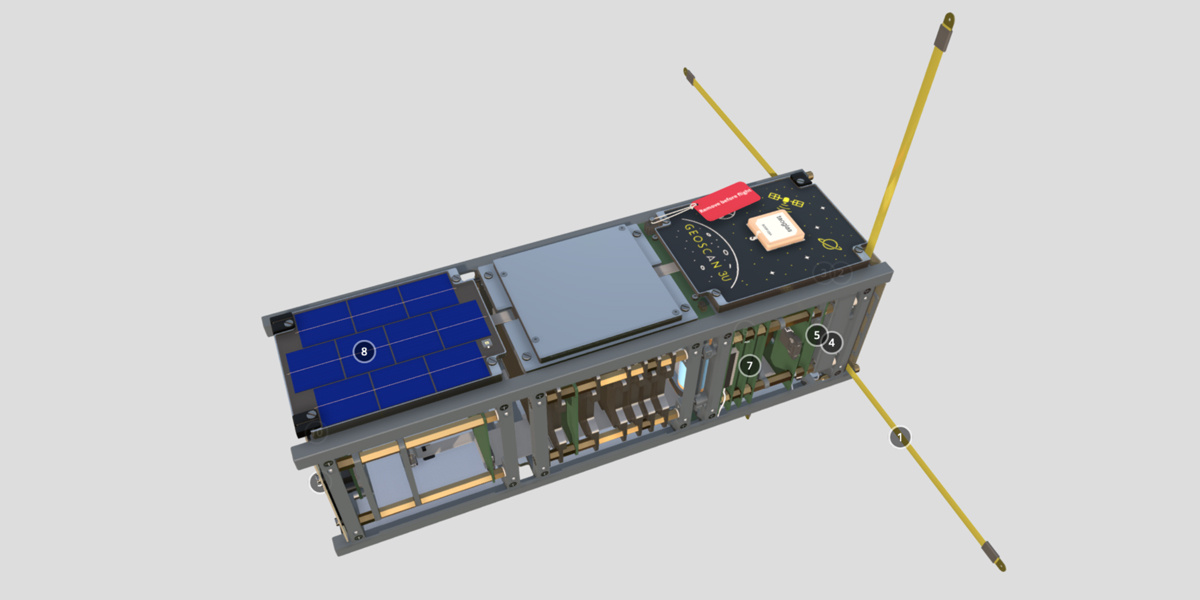
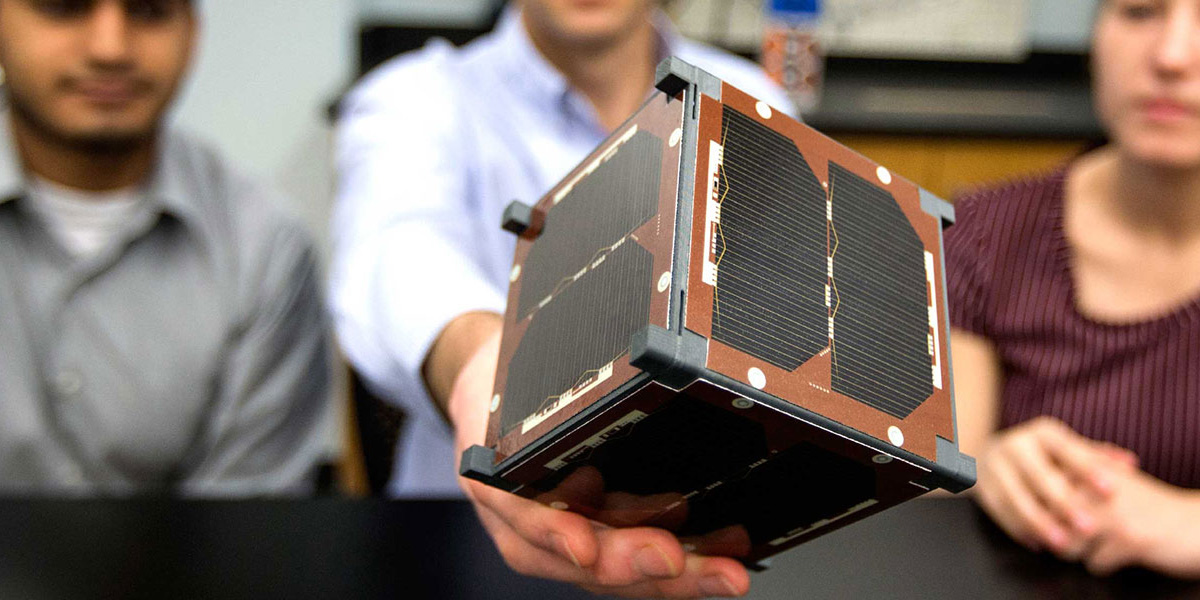
A complete, flight-ready bus from an established manufacturer, sized to your payload, typically runs from the low hundreds of thousands of dollars for a simple 1U to 3U platform to well over a million for a larger or higher-performance bus with active pointing and high-rate comms. Timeline from signed contract to delivery is commonly 5 to 9 months. Blackwing Space's Baby Bird mission, a Sparrow 1.5U carrying three separate commercial payloads, went from contract signature to orbital deployment in five months, which is near the fast end of what is achievable and required frozen payload interfaces early in the schedule.
The price premium of buying versus a theoretical from-scratch build is real, but it buys you something building does not: a vendor who has already made and fixed the mistakes that would otherwise show up during your integration and test campaign, on your schedule, with your budget absorbing the rework.
The real comparison is not price per spacecraft
If your organization's goal is to fly a payload and get data back, buying complete is almost always the faster and cheaper path to that specific outcome, because you are not paying to re-derive bus engineering that already exists and already flew. If your organization's goal is to build in-house spacecraft engineering capability, for a university program, a defense prime building toward a larger in-house capability, or a company planning a multi-satellite constellation where bus costs amortize across many units, building makes more sense, because the first build is effectively tuition for every build after it.
A useful framing: it helps to ask how many spacecraft you plan to fly in the next five years. If the answer is one or two, buying complete is very hard to beat on cost and schedule. If the answer is ten or more, the economics shift toward building or co-developing your own bus, because non-recurring engineering cost amortizes and recurring per-unit costs through in-house production can undercut buying complete units repeatedly from a vendor who is also pricing in their own margin each time.
Hidden costs on both sides
Buyers underweight integration risk with their own payload even when buying complete: a payload that is not fully characterized, true mass, true power draw under worst-case operation, true data output, before the bus vendor locks their design can trigger change orders that erase most of the schedule and cost advantage of buying. Builders underweight licensing and launch arrangement, assuming that because they built the bus they understand everything else; FCC and NOAA licensing timelines and rideshare integrator requirements are identical regardless of who built the spacecraft, and first-time in-house teams often discover these requirements late.
A simple decision rule
If this is your first satellite and your institution has no existing flight heritage, buying complete is usually the sensible default unless you have a specific, funded mandate to build in-house capability. The cost of learning spacecraft engineering by building your own first bus is real and often invisible until you are six months into a program that was quoted at three. Buying complete converts that invisible risk into a fixed, contracted price and schedule, which is usually worth the premium for a team flying its first mission.

Related Articles