Don't Build Your Own CubeSat: Why Early-Stage Space Startups Should Focus on Payloads
A practical guide for commercial space startups developing payloads, radios, and edge-AI systems who want to reach orbit faster by buying a flight-proven nanosatellite bus instead of building one.
Space Startups Are Wasting Time on the Wrong Problem
A new generation of commercial space companies is developing high-value payloads: compact radar sensors, novel RF systems, laser links, AI edge compute modules, radiation-tolerant processors, next-gen GNSS receivers, and more. These companies are solving meaningful, differentiated problems.
But too often, they derail their mission success and investor timelines by trying to design their own CubeSat bus from scratch. A custom satellite platform may sound strategic, but for early-stage companies it is usually a distraction. Flight hardware development introduces new manufacturing constraints, regulatory hurdles, environmental testing, thermal design, and risk that add months or years to a schedule.
In reality, your competitive advantage is your payload, not your satellite chassis.
Why Building a CubeSat Bus In-House Slows You Down
- Satellite platforms are complex and require heritage to build trust with buyers
- Hardware qualification and environmental testing add cost and delays
- Avionics integration demands specialized firmware and fault mitigation experience
- Regulatory approvals (FCC, NOAA, ITAR/EAR) become harder when owning the full stack
- Investors expect product validation on orbit sooner, not later
Most venture-backed payload-centric teams cannot afford a three-year development cycle just to deliver basic satellite operations.
The Winning Strategy: Focus on Payload Value
The most successful small-sat companies in the last decade did one thing right: they launched what differentiated them first. They did not start by reinventing the spacecraft bus.
Your product is the instrument, radio, or onboard inference system. The satellite is simply the delivery vehicle.
Choosing a commercially available bus means:
- Faster path to revenue and grant milestones
- Flight heritage for future government and defense contracts
- Early customer demonstrations to validate market demand
- Lower burn rate and smaller engineering team
- Fewer late-stage risks that jeopardize closing your next funding round
Hosted Payloads vs. Buying a Satellite Bus
Early teams typically consider two operational models:
1. Hosted Payload
You fly your hardware on someone else's satellite. Quickest path to orbit, but limited operational control and power budget.
2. Dedicated Bus Purchase (Best for Scalable Missions)
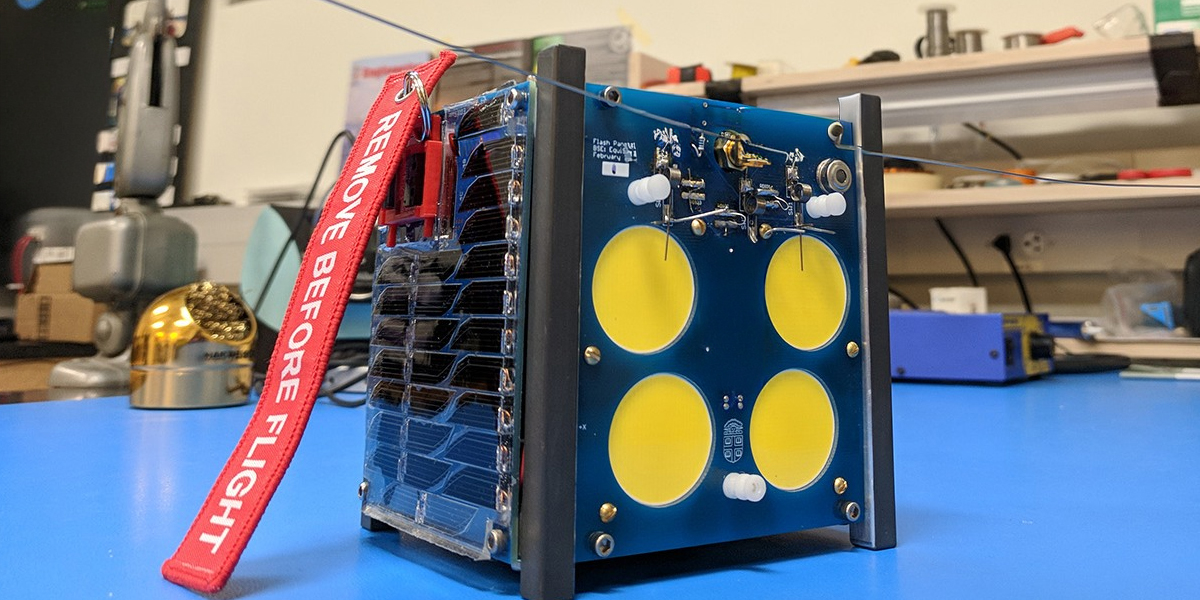
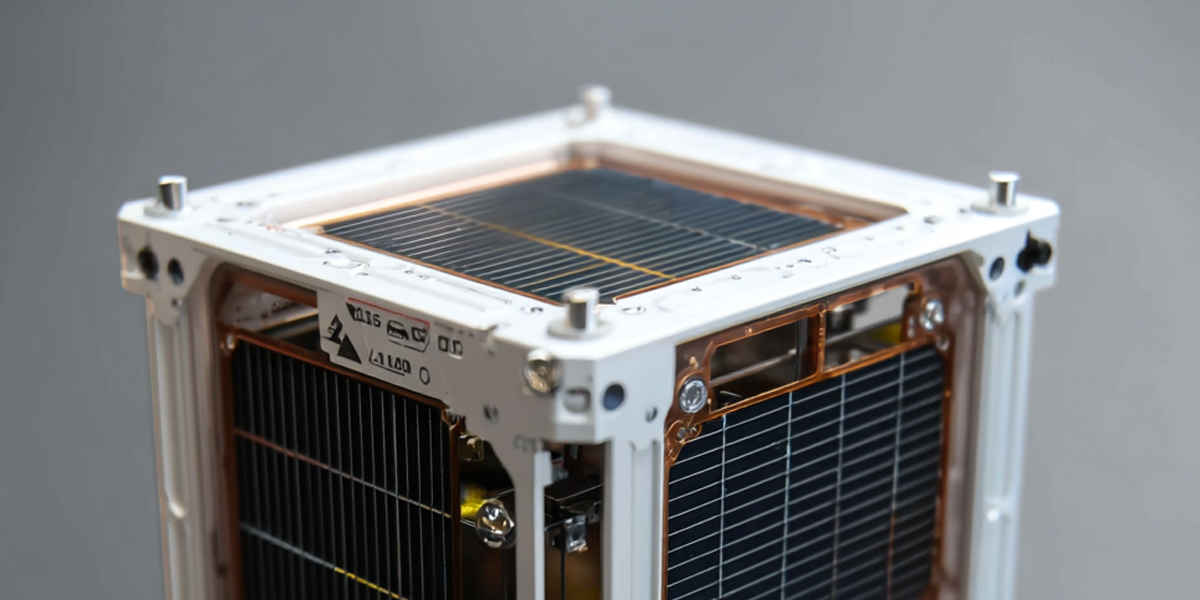
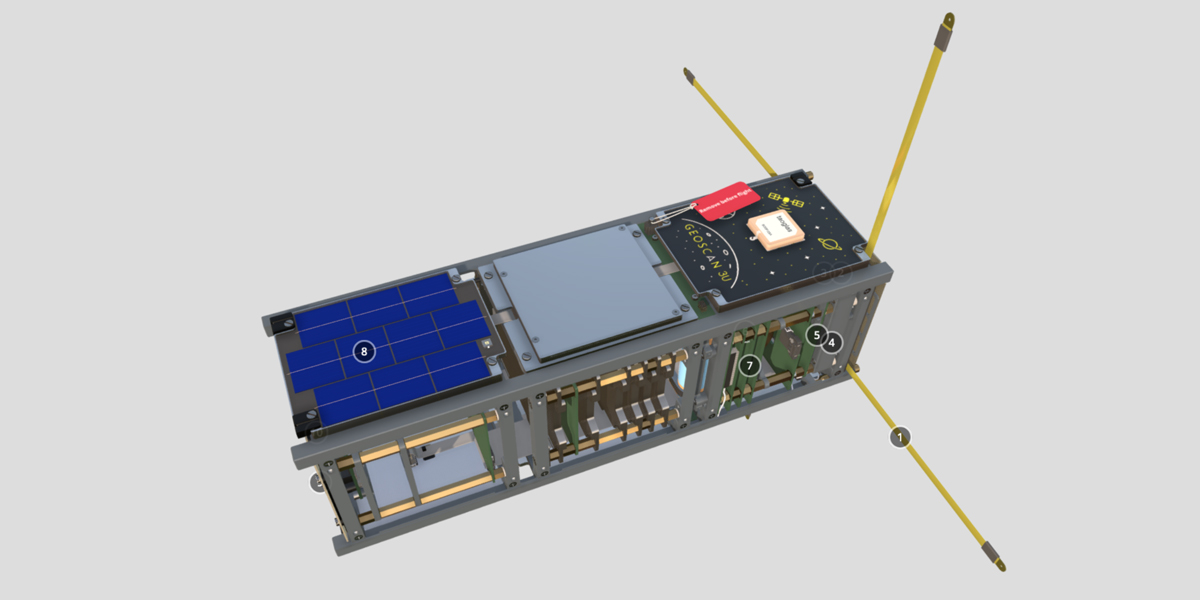
A standard CubeSat bus gives full mission control without needing to build avionics, structures, power systems, GNC, or radios internally.
Either path is dramatically faster than developing a full satellite stack from scratch.
Where Blackwing Space Helps
Blackwing Space delivers US-manufactured nanosatellite buses designed for rapid integration of cutting-edge commercial payloads.
- 3U, 6U, and 12U automotive-grade nanosatellite platforms
- Configurable compute including edge-AI accelerators
- Communications options including UHF, S-Band, and future X-Band
- Open standards to support plug-and-play payload integration
- ITAR-friendly US supply chain for national security markets
- FCC licensing assistance and Ground-Station-as-a-Service support
- Flexible hosted-payload options for early demonstrations
We help payload teams go from contract to first downlink in months, not years.
Why Automotive-Grade Matters for Commercial Missions
Automotive supply chains deliver scale that traditional space vendors cannot. Blackwing Space leverages:
- Commercial components with rapid availability
- Redundancy and protections built into the platform
- Lower cost per spacecraft enabling constellation business models
This removes the typical constraints that have limited CubeSat expansion for commercial operators.
Perfect for AI in Space and Software-Defined Missions
Cloud intelligence is moving into orbit. That requires platforms that support:
- High processor throughput
- On-board machine learning and inference
- Real-time responsiveness for autonomous operations
Blackwing Space platforms are built to support compute-heavy payloads and onboard decision making, enabling breakthroughs in Earth observation, RF analytics, and space domain awareness.
Reduce Risk, Accelerate TRL, Win Your Next Round
Investors want high-leverage capital deployment. Building your own satellite bus adds risk without adding value. Deliver proven flight results faster, and your next raise becomes easier:
- Demonstrated in-orbit functionality
- Acceleration from TRL 4/5 to TRL 7/8
- Commercial or government interest validated
A simpler path to heritage means a clearer path to revenue.
Launch Opportunities That Match Your Timeline
Blackwing Space works with the major rideshare providers and ISS deployment services. This enables academic, commercial, and defense customers to target:
- Quarterly launch windows
- Fast-track regulatory preparation
- Flexible orbits and mission duration
Your payload does not sit on the shelf waiting for a one-off integration cycle.
When You Should Finally Design Your Own Bus
There is a time for custom satellite platforms. That moment arrives when:
- Your demand and revenue model are validated
- Your payload has already flown successfully
- Your constellation architecture is locked in
Until then, flexibility and speed will always beat complexity and custom development.
Conclusion: Do Not Reinvent the Bus
Early-stage space companies succeed when they focus relentlessly on the part of the mission that creates real value. Let someone else handle the spacecraft infrastructure. Prove the payload. Prove the customer. Prove the market.
Blackwing Space is here to get your technology onto orbit quickly, safely, and affordably so you can concentrate on what matters most: delivering game-changing capabilities for users on Earth and beyond.
Reach out when you are ready to fly.

Related Articles