Ready-to-Fly CubeSat Platforms: How Fast Can You Actually Get to Launch?
Hardware readiness is only one input into launch timing. Licensing, integration slots, and rideshare manifests set the real schedule.
"Ready-to-fly" is a hardware claim. It describes a bus design that is already built, tested, and qualified, so a buyer is not waiting on engineering development. It says nothing about the three schedule tracks that actually determine when your spacecraft reaches orbit: regulatory licensing, rideshare manifest timing, and integration slot availability. Buyers who treat hardware readiness as the whole schedule are consistently surprised by how much calendar time sits between signing a purchase order and watching their satellite deploy.
What Ready-to-Fly Hardware Actually Buys You
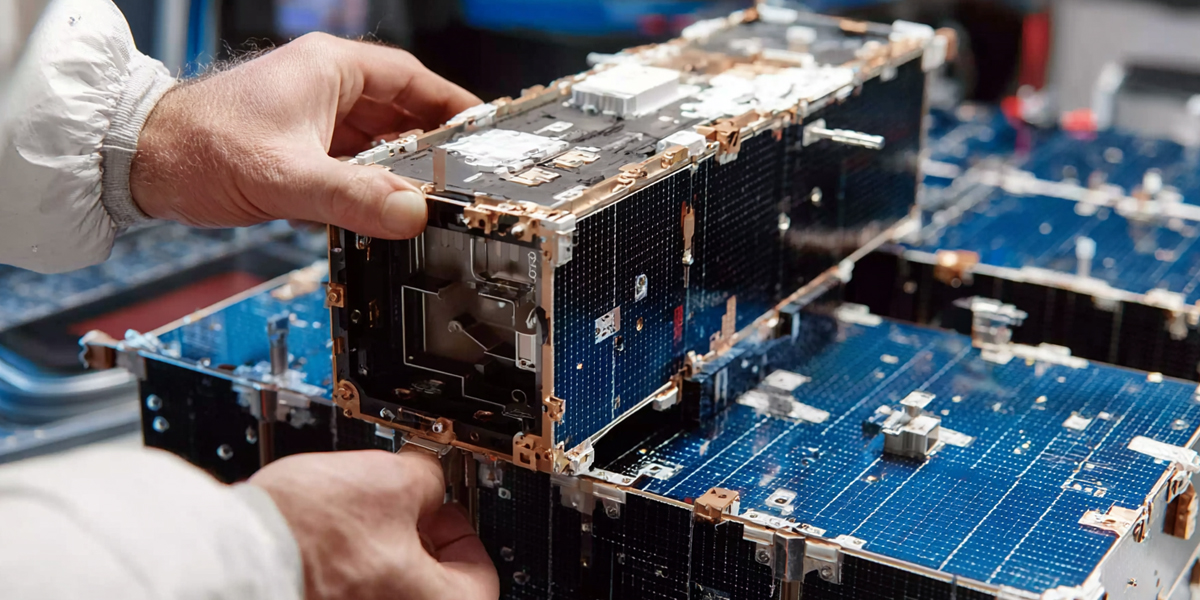
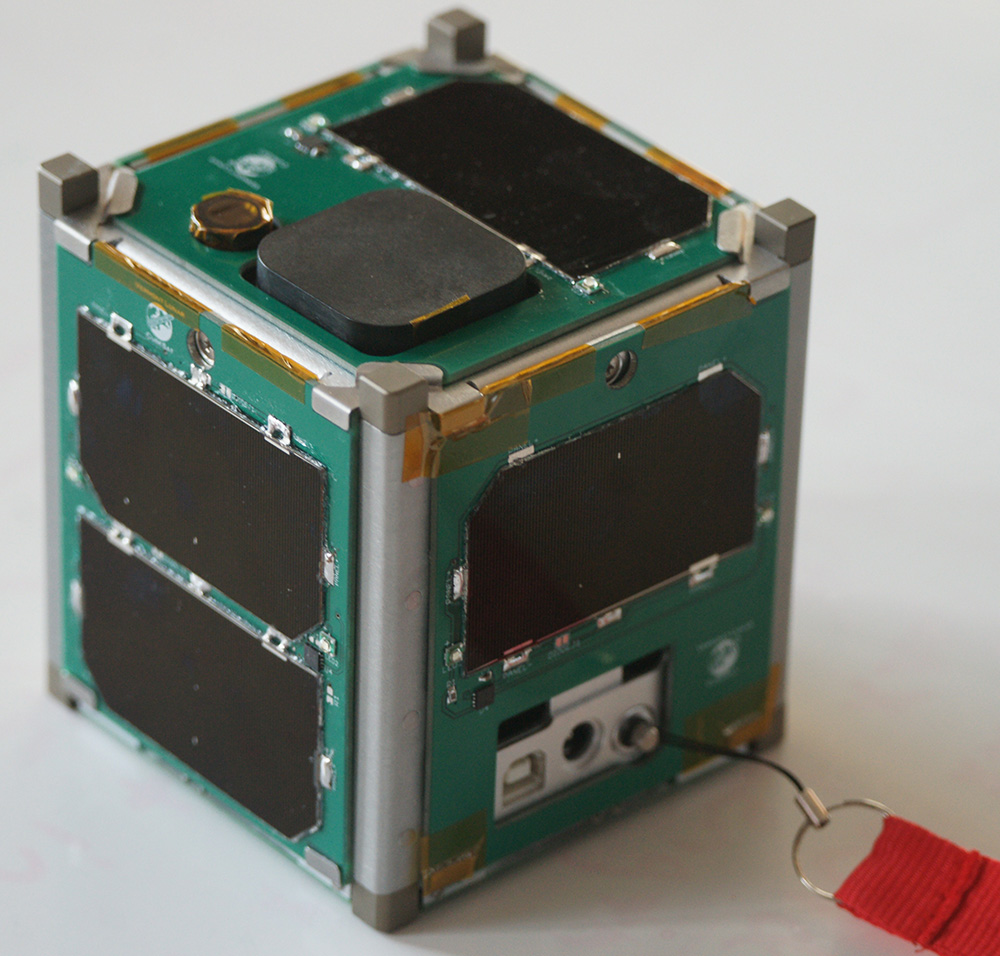
A genuinely ready-to-fly bus has flight heritage, a completed qualification test campaign, and a bill of materials with known lead times. That is real and valuable. It can compress the hardware delivery timeline from twelve or eighteen months down to a few months, because you are not waiting on design iterations or first-time qualification testing. Blackwing Space's Baby Bird mission demonstrated roughly this kind of compression: contract signature in March 2026 to orbital deployment on October 1, 2026, a five-month span, because the Sparrow 1.5U bus and Rook flight computer were already design-mature going into that contract. That timeline is a hardware story. It does not include the regulatory and manifest lead times that a buyer without an existing FCC license or launch slot would still need to carry separately.
FCC and Spectrum Licensing: The Track Most Buyers Underestimate
Any CubeSat transmitting a radio signal needs spectrum authorization, and for most commercial and university missions that means an FCC license application, which commonly takes several months to process and can take longer if the application requires revision. This process can run in parallel with hardware build, but only when it is started early. Buyers who wait until the spacecraft is built to begin licensing routinely add three to six months to their effective schedule, independent of how fast the hardware itself was delivered.
Rideshare Manifests Are Fixed, Not Flexible
Rideshare missions like SpaceX Transporter flights fly on a fixed cadence, roughly every few months, and each flight has a manifest deadline for integration requirements, mass properties, and safety documentation that typically closes several weeks to a few months before launch. Missing a manifest deadline does not mean a short delay. It means waiting for the next scheduled flight, which can push your actual launch date out by three to six months depending on the provider's cadence. A ready-to-fly bus delivered a week after a manifest deadline closes effectively waits for the next opportunity.
Integration Slot Availability
Launch integrators and dispenser providers have limited integration capacity per mission, and popular rideshare flights fill their manifest slots well before the deadline. A bus that is physically ready in month four of a program is not guaranteed a slot on the next available flight if that flight's manifest is already full. Buyers planning around a specific target launch find it useful to confirm integration slot availability, not just manifest deadline dates.
Building a Realistic Schedule
A more accurate way to plan is to treat hardware delivery, licensing, and launch manifest as three parallel tracks with different lead times, and let the schedule be set by whichever track is slowest. For a buyer starting from zero, with no existing license and no reserved launch slot, a realistic total timeline from order to orbit is commonly nine to fourteen months, even when the bus itself is ready-to-fly in three to five months. For a buyer who already holds an FCC license and has a reserved manifest slot, that same ready-to-fly bus can compress the total timeline close to the hardware delivery time itself.
Two direct questions are worth putting to any vendor making a ready-to-fly claim: what is the hardware delivery time assuming no custom work, and separately, what licensing and manifest support do you provide or expect the buyer to handle independently. The answers to those two questions, not the phrase on the website, are what will actually determine your launch date.
Insurance and Schedule Risk
One more factor buyers often leave out of the schedule conversation: launch insurance and manifest slip risk. Rideshare providers reserve the right to shift flight dates in response to primary payload readiness, range availability, or vehicle issues unrelated to your spacecraft, and a multi-month slip is not unusual on any given rideshare flight. A realistic program plan treats the quoted launch date as a target, not a guarantee, and budgets schedule margin accordingly, particularly for any mission tied to an external deadline such as a grant reporting period or a conference demonstration. Building that margin in from the start, rather than discovering it after a manifest shift, is the difference between a program that absorbs a slip calmly and one that scrambles.

Related Articles