What's Actually Included When You Buy a Complete CubeSat?
A breakdown of what a complete CubeSat bus purchase includes by default, and what buyers commonly assume is included but usually is not.
Complete CubeSat is a marketing phrase with no fixed definition. Two vendors can both advertise a complete 3U bus and mean different things by it. It helps to compare scope before comparing prices. The gap between what buyers assume is included and what actually ships is where budget surprises come from.
What a complete bus actually includes
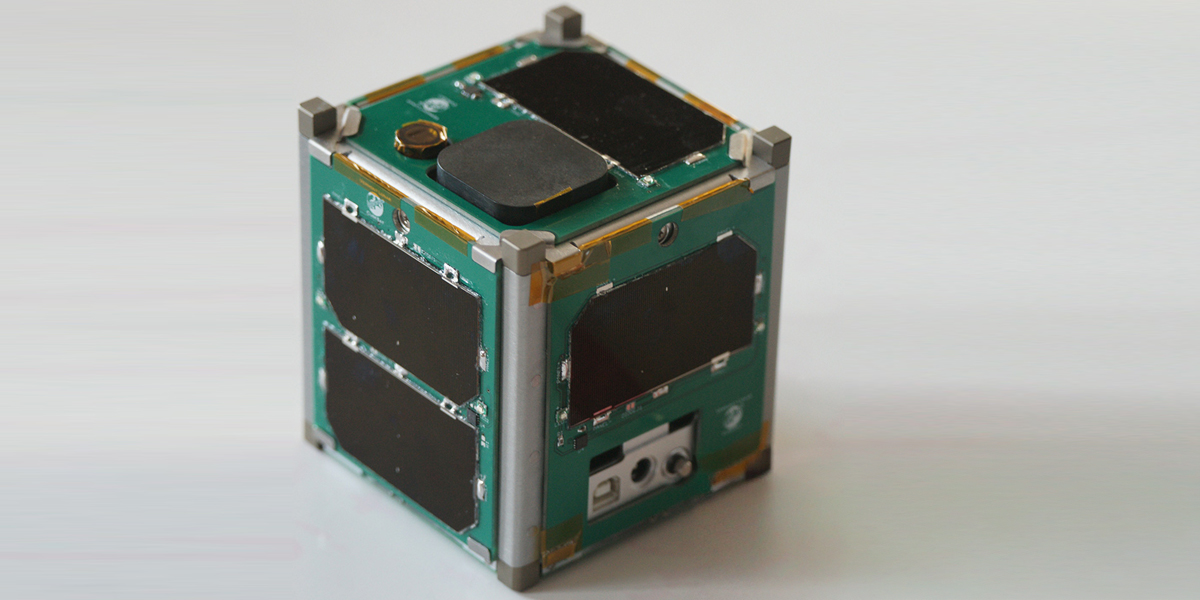
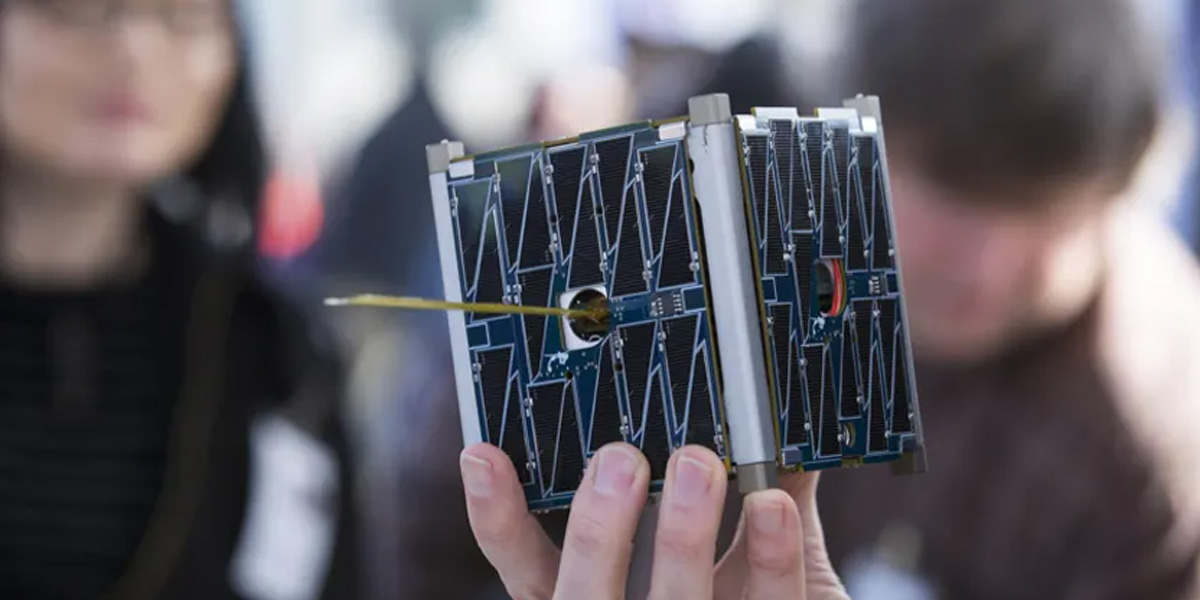
A genuinely complete CubeSat bus ships with: structure, the chassis and rails sized to the standard you are flying, 1U through 12U; electrical power system, solar panels, battery, and power distribution; command and data handling, an onboard computer, sometimes called an OBC, such as Blackwing's in-house Rook flight computer; attitude determination and control, sensors and either passive magnetic stabilization or active reaction wheels depending on your pointing requirement; and a communications subsystem, typically UHF for basic telemetry and command, with S-band or higher for payload data if your data volume requires it.
Integration and test, often shortened to I&T, is ideally part of the base scope, not an add-on. That means the vendor mechanically integrates your payload into the structure, runs functional tests of the integrated system, and puts the whole spacecraft through environmental testing: random vibration to simulate launch loads, and thermal vacuum cycling to simulate the orbital thermal environment. A bus that has not been through I&T with your actual payload installed is not complete. It is a kit.
Licensing support: often assumed, rarely included by default
Every CubeSat operating a radio needs FCC authorization, and payloads with imaging capability typically need NOAA remote sensing licensing. Some vendors include help preparing these filings as part of a complete package; many do not, and treat it as a separate line item or point you to a consultant. It is worth asking explicitly whether licensing support is included, and if so, whether that means the vendor drafts the application or just reviews yours. This distinction alone can shift your schedule by two to four months if you assumed it was handled and it was not.
What complete almost never means
Launch is not included. A complete CubeSat bus purchase gets you hardware ready to fly; getting it into orbit is a separate contract with a launch integrator or rideshare broker, priced separately, usually by mass to a given orbit. Insurance is also separate, and many CubeSat missions fly without it given the cost relative to payload value, but that is a decision you make deliberately, not one bundled into a bus purchase.
Ground segment is the other commonly assumed inclusion that is not standard. A complete bus gets you a spacecraft that can talk to a ground station. It does not give you a ground station, or access to one. Some vendors bundle a certain number of passes through a partner ground network; others leave you to contract that separately, whether through your own dish, a shared academic network, or a commercial ground-station-as-a-service provider. This is worth confirming before you sign, because standing up ground segment capability from scratch takes real lead time of its own.
Mission operations, meaning the staffing and software to actually command the spacecraft day to day after launch, is typically the buyer's responsibility unless you have specifically contracted operations support. First-time buyers sometimes assume the vendor who built the bus will also fly it. Most complete-bus vendors hand off a tested, operational spacecraft and expect the customer to run it, or to have arranged a separate operations contract.
A real example of scope
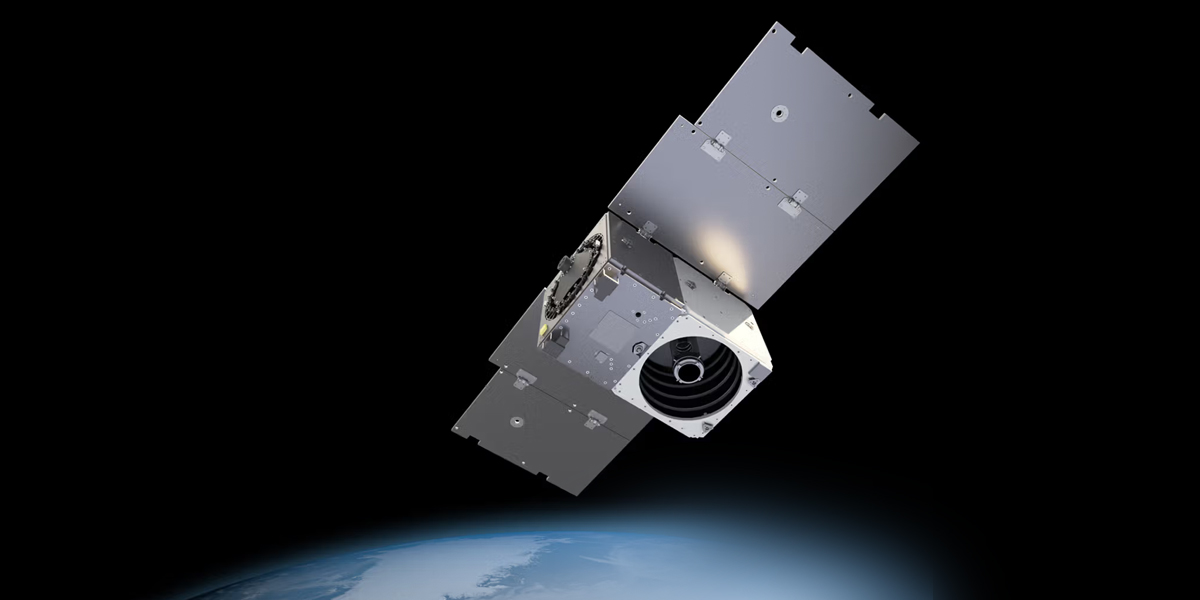
Blackwing Space's Baby Bird mission, a Sparrow 1.5U, is a useful reference point for what a complete, multi-payload bus purchase looks like in practice. The spacecraft integrated three separate commercial payloads for three different customers: an optical beacon for space situational awareness from Manifest Space, 56 memorial capsules from Celestis, and a radiation-shielding material sample from Melagen Labs. The bus, flight computer, structure, power, and comms were Blackwing-built and tested as a unit; the launch itself was a separate SpaceX Transporter-18 rideshare contract, and each payload customer managed their own ground data requirements for their specific payload outputs. That split, complete spacecraft from the manufacturer and launch from a separate rideshare broker, is the standard pattern across the industry, not a Blackwing-specific arrangement.
What to ask before you sign
A written statement of work is a good thing to have, one that lists every subsystem by name, states explicitly whether I&T with your payload is included, and separately itemizes licensing support, launch arrangement, ground segment access, and operations support as either included, available as an add-on with a price, or excluded entirely. If a quote does not break this out, it is reasonable to ask for a revision before comparing it against a competitor's quote. Comparing two numbers without comparing two scopes is how buyers end up with a change order three months into a build.

Related Articles