Ground Stations for CubeSats: Build It or Buy Access to a Managed Network
A practical comparison to help student teams decide whether to build their own ground station or rely on a managed ground network.
Why Every CubeSat Needs a Ground Station Plan
Every satellite mission needs a reliable way to send commands and receive data from orbit. For CubeSat missions operated by universities and high schools, the ground segment can be either a rewarding part of the student experience or a major source of risk. Early mission planning should include a clear strategy for how the satellite will be operated once it reaches space.
Teams can either build and operate their own ground station or use a managed network provided by companies such as Blackwing Space. Each option comes with different benefits, costs, and scheduling requirements.
Option 1: Build a Ground Station on Campus
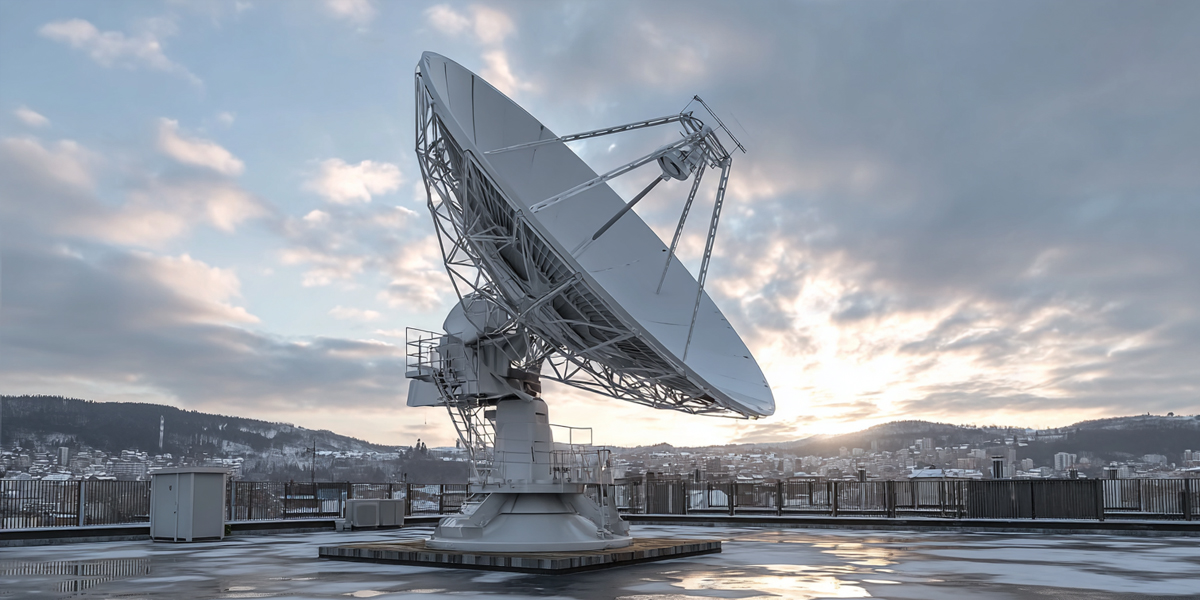
Many academic programs choose to build a UHF or VHF ground station as part of the learning experience. On campus stations help students explore RF engineering, tracking automation, and spacecraft operations firsthand. However, the build path requires:
- Licensed amateur radio operators if amateur frequencies are used
- Antenna system design, installation, and periodic maintenance
- Radio and controller hardware with compatibility assurance
- Network infrastructure and automated pass scheduling
- Local weather and horizon limitations on contact windows
Universities often rely on a small number of operators who must be available during satellite passes. This becomes challenging when passes occur overnight or during semester breaks.
Option 2: Use a Managed Ground Station Network
Commercial ground station networks provide access to global antenna systems without requiring a university to build or maintain their own equipment. With Ground Station as a Service from Blackwing Space, teams can:
- Access multiple stations worldwide for increased contact time
- Control the satellite from standard consoles without RF setup
- Automate downlinks, data routing, and command scheduling
- Begin operations immediately after launch without infrastructure delays
This option focuses the student experience on mission execution and data analysis rather than on radio hardware construction and repairs.
Coverage and Data Yield Differences
A single on campus station typically provides only a few short daily passes per satellite. A distributed ground network can increase total contacts and maximize data return. Longer mission duration and more complex payload operations benefit from this expanded coverage.
Blackwing Space designs CubeSat communication systems to operate smoothly with its managed ground network, giving teams a predictable pipeline from orbit to data products.
Security, Licensing, and Operations Support
Ground communications are subject to regulatory oversight. Managed networks simplify compliance by maintaining secure, pre authorized infrastructure. Remote operations can continue even when student turnover occurs or when key operators graduate.
For universities with limited operational continuity, using Blackwing Space support services reduces the long term burden of maintaining institutional knowledge about spacecraft control.
Cost and Schedule Considerations
At first glance, building a ground station appears low cost. In practice, long lead hardware, skilled labor, repairs, and missed operations windows can add up quickly. Managed options are typically priced as a predictable subscription tied to mission duration.
Teams can still choose to build a campus station for education while relying on the managed network to guarantee mission success. Blackwing Space supports hybrid plans when programs want both hands on learning and reliable performance.
Which Option Is Best for Your Program
The right answer depends on mission needs:
- Build on campus when the goal is RF learning and student led exploration
- Buy access when the goal is mission reliability and maximum data return
- Blend the two when education and performance both matter
Blackwing Space provides nanosatellite platforms and ground services designed for education programs that want to scale beyond a single satellite. With a managed network backing campus capability, student operators can focus on real mission outcomes from day one.

Related Articles