Top 10 CubeSat Mistakes Student Teams Make and How to Avoid Them
Common pitfalls in university CubeSat missions and practical ways to prevent them.
Do Not Learn These Lessons the Hard Way
Universities and high schools are launching more CubeSats than ever before. The experience is transformational for students, but working space missions have strict requirements, tight timelines, and no margin for error once the spacecraft is in orbit.
Based on decades of academic flight heritage across the industry, here are the ten most common CubeSat mistakes student teams make and how to avoid them. Commercial platforms such as those from Blackwing Space help teams bypass many of these issues from day one.
1. Waiting Too Long To Define the Mission
Many teams start building hardware before documenting what success looks like. The result is payloads that cannot meet real requirements or buses that do not support the objectives.
How to avoid: Write a one page mission definition before designing anything.
2. Underestimating Communications Complexity
Downlink rates, antenna performance, licensing, and ground access often receive attention too late. A satellite that cannot talk cannot succeed.
How to avoid: Select proven radios and start FCC coordination early. Blackwing Space offers licensing support and Ground Station as a Service to remove blockers.
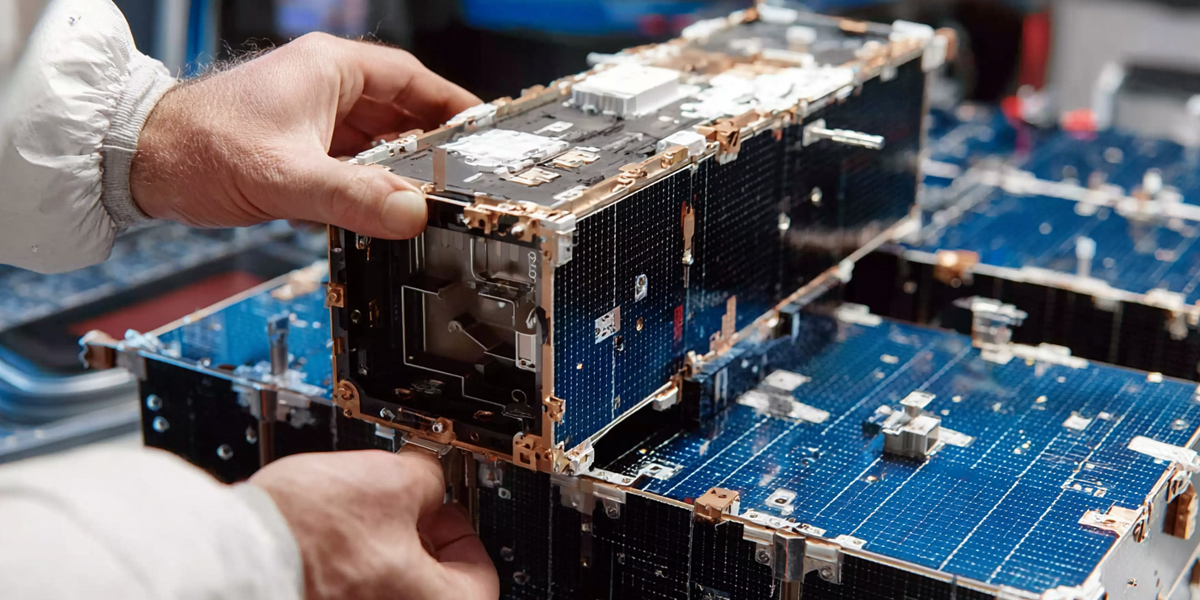
3. Designing a Bus Instead of Buying One
Students often focus on cool subsystems rather than the payload or science objective. Building a bus from scratch makes the mission a hardware engineering exercise instead of a learning experience.
How to avoid: Use a commercial nanosatellite platform like Blackwing Space so the team focuses on research outcomes and the payload.
4. Late Recognition of Export Controls
When foreign nationals join the team, ITAR and EAR rules apply. Delayed compliance can shut down participation or launch approvals.
How to avoid: Confirm restrictions at kickoff and choose U.S. made hardware to simplify compliance.
5. Overly Ambitious Payloads
Payloads that require pinpoint pointing, large data volumes, or heavy processing can exceed realistic resources.
How to avoid: Start with a payload sized to a 1U or 3U profile unless the mission case proves more is needed.
6. Ignoring Power Budgets
Without careful design, peak mode operations will drain batteries faster than planned or force payload shutdowns.
How to avoid: Validate power generation and consumption using reliable bus specifications. Blackwing Space supplies detailed power budgets tied to real flight performance.
7. Treating Testing as Optional
Hardware that is not vibration tested, thermal cycled, or reviewed by experienced engineers is at high risk of failure.
How to avoid: Allocate real time for I and T. A commercial platform with heritage reduces custom test burden.
8. Building a Ground Station Too Late
Teams often assemble antennas and tracking systems during launch month, leaving no time for verification.
How to avoid: Plan the ground segment with the flight segment. Or remove the risk with Ground Station as a Service from Blackwing Space.
9. Poor Documentation and Handoffs
Graduating seniors take critical knowledge with them. New members lose months repeating old work.
How to avoid: Use structured documentation and version control from day one.
10. Choosing a Launch Before the Design Is Stable
It is tempting to secure a launch early, but it creates pressure and leads to rushed decision making.
How to avoid: Finalize the bus before locking the launch date. Selecting a platform like Blackwing Space accelerates readiness and makes launch planning predictable.
Make Space a Win for Students
Early planning, realistic priorities, and the right commercial partners can turn a university CubeSat mission from a scramble into a celebration.
Blackwing Space simplifies communications, licensing, documentation, and bus development so student teams can focus on science, learning, and flight success rather than avoidable risk.

Related Articles