Top 5 Federal Grants and Funding Opportunities for Student CubeSat Projects
Securing the Budget: Essential Resources to Transform Your Academic CubeSat Concept into an On-Orbit Mission
Building a CubeSat is the ultimate hands-on engineering challenge, but the cost of hardware, testing, and launch can quickly exceed an academic budget. Fortunately, the U.S. government, through agencies like NASA, the National Science Foundation (NSF), and the Department of Defense (DoD), offers several programs specifically designed to support university and student-led space missions. Successfully navigating this landscape is the first critical step toward getting your student-built satellite into orbit.
1. NASA CubeSat Launch Initiative (CSLI)
The **CSLI** is arguably the most valuable resource for student teams. While it does not provide cash, it offers free rideshare launch opportunities to space. Getting a free launch slot -which can cost upwards of $150,000 for a 3U CubeSat - is a massive budget saver. The program is competitive, requiring a proposal that clearly outlines the educational merit, technical readiness, and benefit of the mission. CSLI primarily accepts proposals from U.S. educational institutions (colleges and universities) and non-profit organizations.
- What it is: A competition to earn a free launch opportunity on U.S. rockets.
- Focus: Educational and technology demonstration missions.
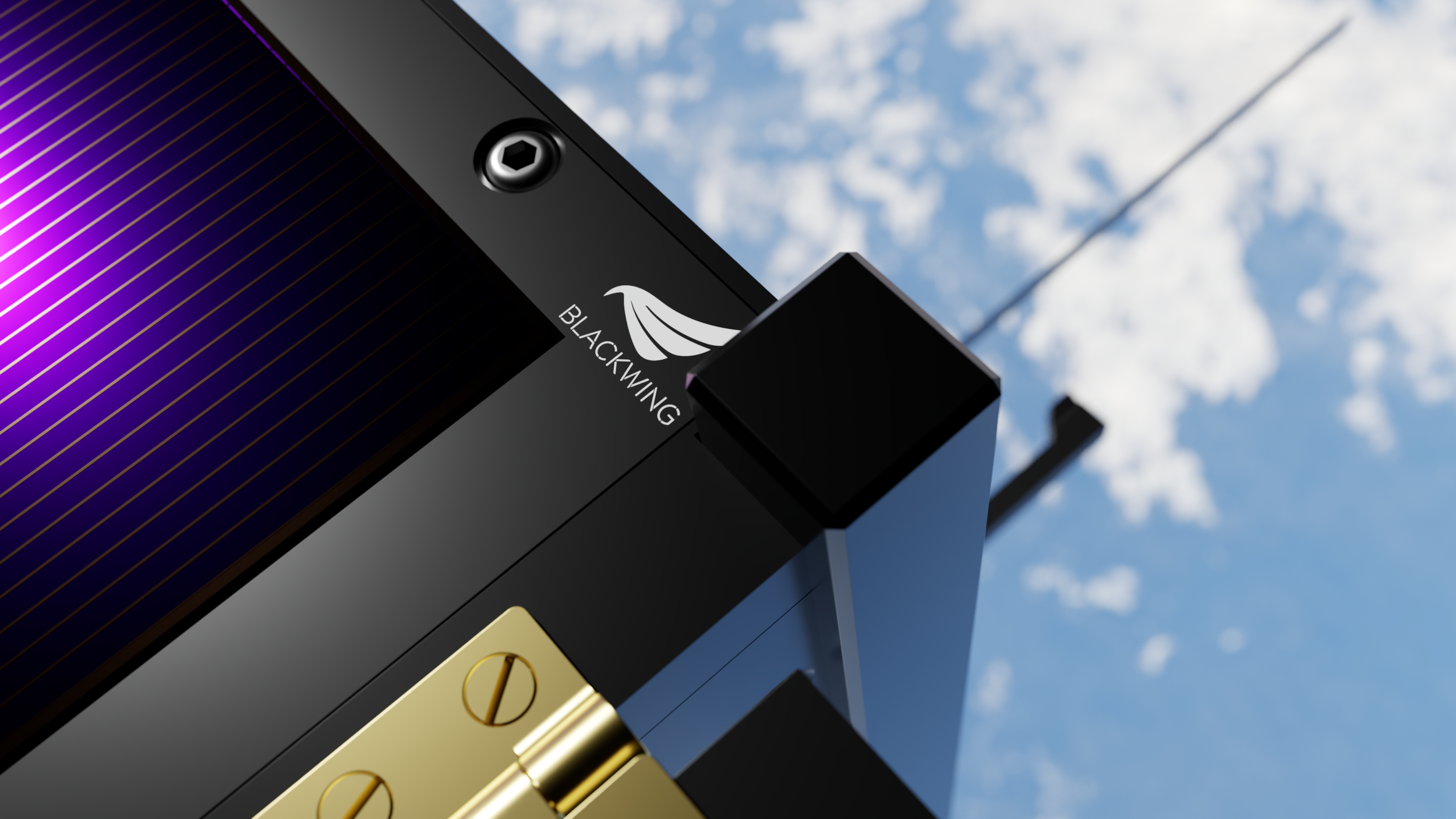
- Tip: Submissions must demonstrate a clear path to mission readiness, which is where a reliable, rapidly deployable platform like **Blackwing Space's** modular systems can significantly increase your chances of selection.
2. National Science Foundation (NSF) Major Research Instrumentation (MRI)
The NSF's **MRI** program provides cash grants that can be used to acquire necessary equipment for research and research training. For CubeSat projects, this often includes funding for specialized testing infrastructure, ground station equipment, or the acquisition of a flight-ready platform.
- What it is: Direct cash funding for acquisition or development of research instrumentation.
- Focus: Funding equipment valued between $100,000 and $4 million.
- Tip: Pitch your CubeSat platform as a multi-user, multi-disciplinary research instrument that will be utilized by multiple departments (e.g., Electrical Engineering, Computer Science, Aerospace).
3. NASA Space Grant Consortia
Every state has a **NASA Space Grant Consortium**, which is a network of universities that provides seed funding, scholarships, and fellowships for space-related projects. Funding levels are typically smaller than national grants but are far more accessible and specifically target academic projects, including CubeSats. These grants often have annual application cycles and specific requirements tailored to the needs of the state's consortium members.
- What it is: State-level funding and academic support distributed through university networks.
- Focus: Promoting STEM education and research within the state.
- Action: Contact your university's or local university's Space Grant Director to understand their specific, localized funding opportunities.
4. Department of Defense (DoD) University Nanosatellite Program (UNP)
The **UNP** is designed to train future space professionals and provide hands-on experience by funding and overseeing university teams as they design, build, and test a small satellite. While managed by the DoD, the missions often focus on educational and technology demonstration objectives relevant to national security and space domain awareness. Selected teams receive significant cash funding, access to DoD facilities for testing, and mentorship from government engineers. This program is typically aimed at the graduate level.
5. Small Business Technology Transfer (STTR) - Academic Partnerships
The **STTR** program is for small businesses, but it is an excellent avenue for university teams looking to **commercialize** their payload or research. The STTR mechanism *requires* a formal collaboration between a small business and a non-profit research institution (like a university). If your student project has the potential to spin off into a commercial product - such as a new sensor or communication system - partnering with a platform provider on an STTR application can provide substantial funding for the university team and accelerate your technology's readiness level (TRL).
The Blackwing Advantage in Grant Applications
Federal grant reviewers prioritize projects that demonstrate a high probability of mission success and a robust technical plan. Choosing a pre-vetted, American-made, and modular platform, such as those offered by **Blackwing Space** (see: uploaded:Blackwing Space - Core Concepts v3.pdf), significantly de-risks your project's schedule and technical complexity. Our systems are designed to accelerate academic missions, allowing students to focus on their unique payload and scientific objectives, rather than spending years designing the bus infrastructure. This approach can make your grant application far more competitive and your path to orbit much faster.
Ready to move your proposal forward? Reach out to our education team to discuss platform options and technical documentation for your next grant application.

Related Articles