High School CubeSat Programs: How Secondary Schools Can Launch Their First Satellite
Step-by-step guide for high school teams planning and launching their first CubeSat or student satellite mission.
Why CubeSats Are Perfect for High Schools
For years, building a satellite sounded like something only space agencies and large universities could do. Today, standardized CubeSat platforms and commercial nanosatellite providers make it possible for motivated high school teams to design and fly real spacecraft as part of STEM and capstone programs.
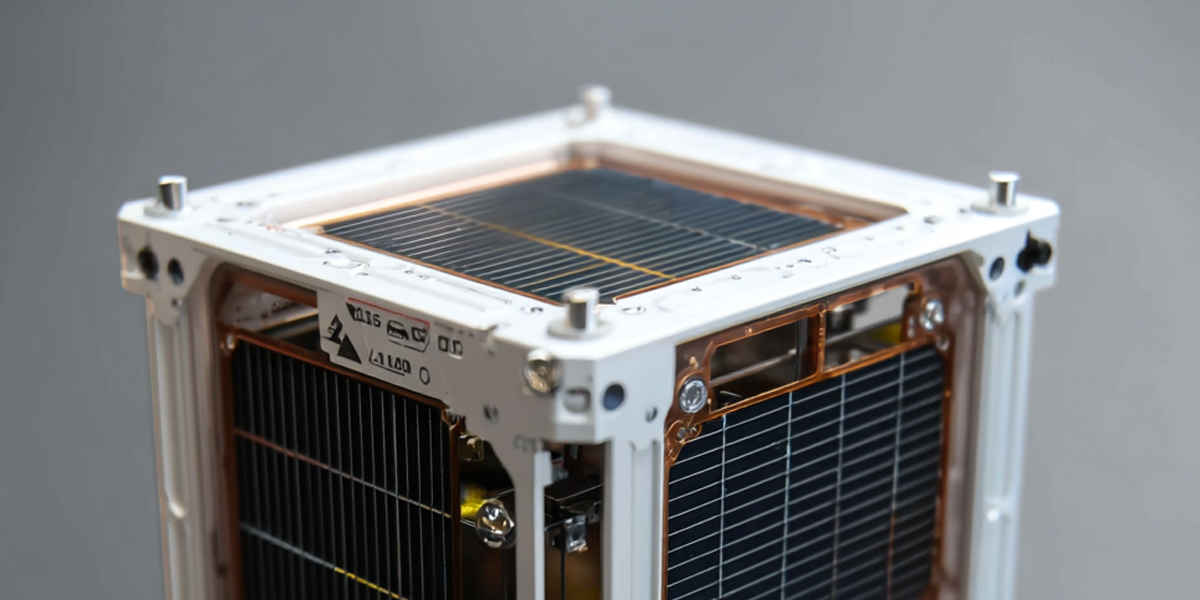
CubeSats are small, modular satellites built in units (1U, 3U, 6U, and beyond) that use well defined mechanical and electrical standards. That means schools can focus on learning, mission design, and payload development instead of reinventing basic spacecraft hardware from scratch.
What a High School Needs to Start a CubeSat Program
You do not need a full aerospace department to get started. Most successful high school CubeSat programs share a few common ingredients:
- A faculty champion - A teacher or mentor who can provide continuity, coordinate approvals, and keep the program moving year to year.
- A committed student team - Students interested in engineering, coding, electronics, science, and project management.
- An industry or university partner - A nanosatellite provider or local university that can advise on mission design and hardware choices.
- Basic lab space - A classroom or lab with tables, ESD safe work areas, and storage for tools and components.
- Budget and timeline - A realistic plan for how much the school can spend and how long the mission will take.
Commercial nanosatellite platforms from American manufacturers like Blackwing Space allow high schools to buy a proven bus and focus their time on payloads, operations, and student learning outcomes.
Step-by-Step: How to Launch a High School CubeSat
1. Define the Mission and Learning Goals
Start with questions, not hardware. What do students want to learn, measure, or demonstrate? Common high school CubeSat mission ideas include:
- Collecting temperature, radiation, or magnetic field data in low Earth orbit.
- Tracking a school designed beacon signal using a ground station on campus.
- Taking low resolution images of Earth to support geography or environmental science classes.
- Testing new materials or sensors in the space environment.
Write a short one page mission statement that clearly connects the satellite activities to STEM learning goals and standards.
2. Build the Team and Assign Roles
Even a small CubeSat mission touches many disciplines. Students can rotate through roles or specialize, but it helps to define core teams early:
- Mission and systems - Overall concept, requirements, and interfaces.
- Payload and electronics - Sensors, data handling, and integration with the bus.
- Software and operations - On board code, ground station scripts, and procedures.
- Ground station - Antennas, radios, and data downlink on campus or with partners.
- Outreach and fundraising - Sponsors, communications, and community engagement.
3. Choose a CubeSat Platform (Build vs. Buy)
High school teams usually do not have years to design every subsystem from scratch. There are three common approaches:
- Buy a complete CubeSat bus - The fastest path. A commercial provider delivers a tested structure, power, computers, and radios, and the school focuses on the payload and operations.
- Hybrid approach - Use a commercial structure and avionics, but let students design specific boards or subsystems under guidance.
- Fully custom - Students design most subsystems themselves. This can be a powerful learning experience but is higher risk and usually takes longer.
For a first mission, most secondary schools choose a commercial bus so that the mission is achievable within a two to three year window and can survive student graduation cycles.
4. Understand Licensing and Safety Requirements
Even student satellites must follow real regulations. Before committing to hardware, teams should learn the basics of:
- Frequency licensing for communications, often through national regulators.
- Safety and debris requirements imposed by launch providers and deployment services.
- School and district policies around sponsorships, travel, and long term projects.
Working with an experienced nanosatellite partner helps high schools navigate missions, licensing, and interface requirements so that the CubeSat is compatible with standard launch and deployer systems.
5. Create a Realistic Schedule
A typical first time high school CubeSat program spans 18-36 months from idea to launch, depending on resources and complexity. A simple model timeline looks like:
- Months 1-3: Mission concept, team recruitment, basic training, and high level budget.
- Months 4-9: Detailed design, platform selection, early payload prototyping, and fundraising.
- Months 10-18: Hardware integration, software development, and subsystem testing.
- Months 19-24: Environmental testing (as required), documentation, and delivery for launch.
- Post-launch: Operations, data analysis, and outreach.
Building the schedule into school years and class cycles helps ensure continuity as students graduate and new team members join.
6. Set Up a Ground Station and Operations Plan
Receiving data from the satellite is one of the most motivating parts of the mission. Early in the project, identify how your team will communicate with the CubeSat:
- Partner with a university ground station.
- Install a basic UHF or VHF station at the school.
- Use a shared ground station network or partner organization.
Document simple pass procedures so that new students can learn how to track, command, and collect data without needing to be experts on day one.
7. Engage the Community and Sponsors
High school CubeSat missions are powerful stories for local communities. Many teams raise funds and support by:
- Presenting to school boards and parent associations.
- Partnering with local companies that want to support STEM education.
- Involving alumni working in engineering, software, or space related fields.
- Sharing mission progress through social media, school websites, and local news.
Sponsors are often more interested in student impact than technical details. Clear visuals, timelines, and learning outcomes make it easier for them to say yes.
Common Pitfalls and How to Avoid Them
- Overly ambitious missions: Start with one or two focused payload objectives rather than trying to do everything on the first satellite.
- Underestimating documentation: Launch providers and partners need clear, accurate documentation. Build templates and checklists early.
- Loss of continuity: Protect against student turnover by keeping strong written records, regular handoffs, and a faculty or industry mentor.
- Reinventing every subsystem: Use commercial, flight proven hardware when possible so that students spend their time learning mission design instead of chasing basic hardware issues.
Getting Started with Your First High School CubeSat
Launching a CubeSat from a high school is ambitious, but it is no longer out of reach. With a clear mission, a committed team, the right nanosatellite platform, and a realistic timeline, secondary schools can deliver real spacecraft that give students hands on experience in engineering, coding, and space operations.
If your school is exploring its first CubeSat or student nanosatellite project, consider partnering with an American nanosatellite manufacturer that understands educational missions. A reliable, mass manufacturable platform lets students focus on learning, while experienced partners help keep the mission on track for launch.

Related Articles